

Presbyterian, Baptist, Methodist and Lutheran churches all belong to the Protestant tradition. They differ in history, how the church is governed, baptism and some points of theology. The Presbyterian and Lutheran traditions trace their roots to the 16th-century Reformation.
A denomination helps you understand a church’s background, but the name alone will not tell you the atmosphere of a service. When you look for a church, also read what it says about its beliefs, which languages it uses and how its gatherings are actually arranged.
Can different denominations share the same faith?
Yes. Churches are joined by the gospel and can still keep different cultures, languages and ways of expressing their faith. A shared faith does not require everyone to use the same music or format.
That does not mean the differences can be ignored. To know a church better, read its public statement of faith, how it explains its beliefs and which churches or groups it is linked to.
What does “Presbyterian” mean?
Presbyterian churches belong to the Reformed tradition, and the name reflects how the church is governed. Pastors and elders (presbyters) share leadership through councils, so church matters are discussed and decided collectively.
Taiwan has many Presbyterian churches, but music, youth meetings, children’s programs and language still differ from one congregation to the next. Before your first visit, check the local church’s own information.
Why are Baptists called Baptists?
The name comes from their tradition of baptism. Baptist churches usually baptize a person after they have come to believe in Christ and said so, and traditionally by full immersion in water.
Baptist distinctives include the authority of Scripture, believer’s baptism, the independence of the local church and religious freedom.
Local church independence means congregations can cooperate while managing their own affairs. Your experience at one Baptist church cannot be assumed for all of them.
What is the connection between Methodists and Wesley?
Methodism grew out of the work of John Wesley in 18th-century England. The tradition stresses everyday Christian life, sanctification and care for society. “Sanctification” can be understood at first as how faith keeps changing a person’s life and the way they treat others.
The Methodist Church in Taiwan has pages on John Wesley and its social creed (in Chinese) that help explain this background. What a Sunday looks like is still decided by each local church.
What is the connection between Lutherans and Martin Luther?
The Lutheran tradition has historical roots in the 16th-century reformer Martin Luther. The Chinese name for Lutheran churches, 信義會, relates to the teaching of justification by faith: people receive God’s grace and salvation through trust.
The English-name explanation from the Chinese Christian Lutheran Brotherhood (in Chinese) describes the name and its background. Liturgy, music and the age of the congregation can differ from church to church, so the name cannot describe the whole service in advance.
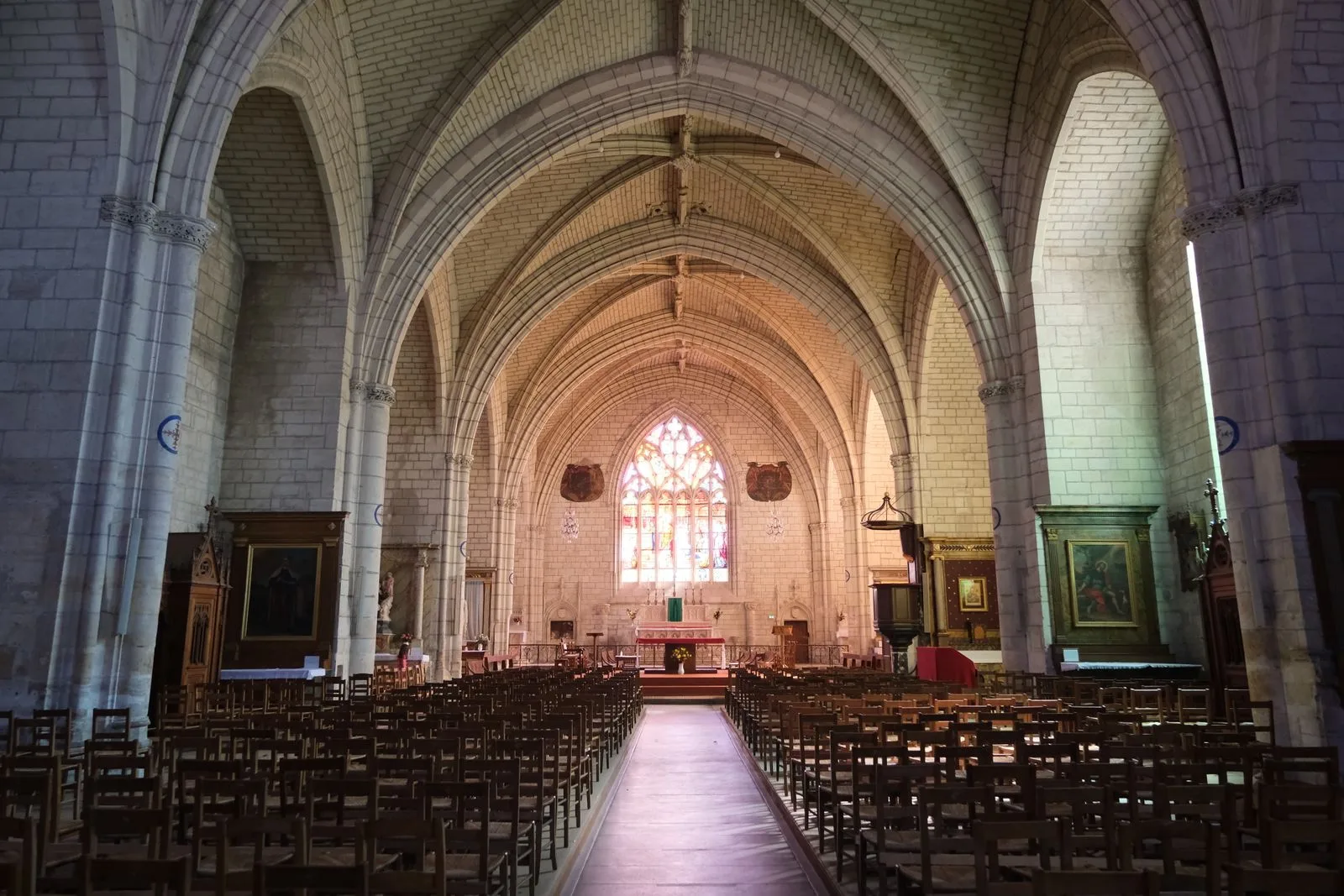
Is “Bread of Life” (靈糧堂) a denomination?
A good way to get to know Bread of Life churches is through their shared history and links between congregations. The official Bread of Life church listing (in Chinese) shows related churches and staff.
Size, worship music, small groups and family ministry vary between locations. If there is a Bread of Life church near you, read that congregation’s own introduction rather than treating one church’s style as true of all of them.
Do similar names mean the churches are related?
You cannot tell from the name alone. Names such as Assembly Hall (召會), Assembly of God (神召會) and similar ones each have their own history and beliefs. Taiwan also has independent churches, and congregations that cooperate as a group.
When you meet an unfamiliar name, look at the church’s statement of faith, the group it belongs to and its history. If the website does not say, asking the church directly is clearer than guessing from the name.
Do I need to research denominations before looking for a church?
No. You can learn the background while you learn what the gatherings are really like. First check the Sunday time, the distance, the language of the service and whether there is Sunday school or another group that suits your family.
After you visit, ask whether you can follow the sermon and the service, and whether your questions get a clear answer. Local churches of the same denomination can still differ in size, music and how people relate to each other.
Find different churches on iChurch
Use Find a church to browse churches in Taiwan with English or bilingual services. When you meet an unfamiliar name, read the church’s statement of faith and meeting information first, then decide whether to visit.
A prayer
Dear Father,
Thank you for letting different churches know Jesus together. Help me not to be confused by the many names and traditions, and not to look down on others.
Give me a heart that asks questions and wants to learn, and lead me to a church where I can grow in peace.
In the name of Jesus Christ, amen.
Sources and license
This article was adapted by iChurch editor Shep from Richard Lints, The Unity of the Church, and Anthony L. Chute, Baptist Theology, both published by The Gospel Coalition under CC BY-SA 4.0.
The concepts are summarized and rewritten, with Taiwan context and links to official sources added. It is not a word-for-word translation, and it was first written in Chinese and then translated into English. The text of this article is released under CC BY-SA 4.0. If you quote or adapt it, keep the author, source, notice of changes and the same license.
The photo is used under the Pexels License and is not covered by the CC license for the text. Linked sites remain under their own terms.